Kumbhalgarh · Fort Guide
Kumbhalgarh Fort: The Great Wall of India
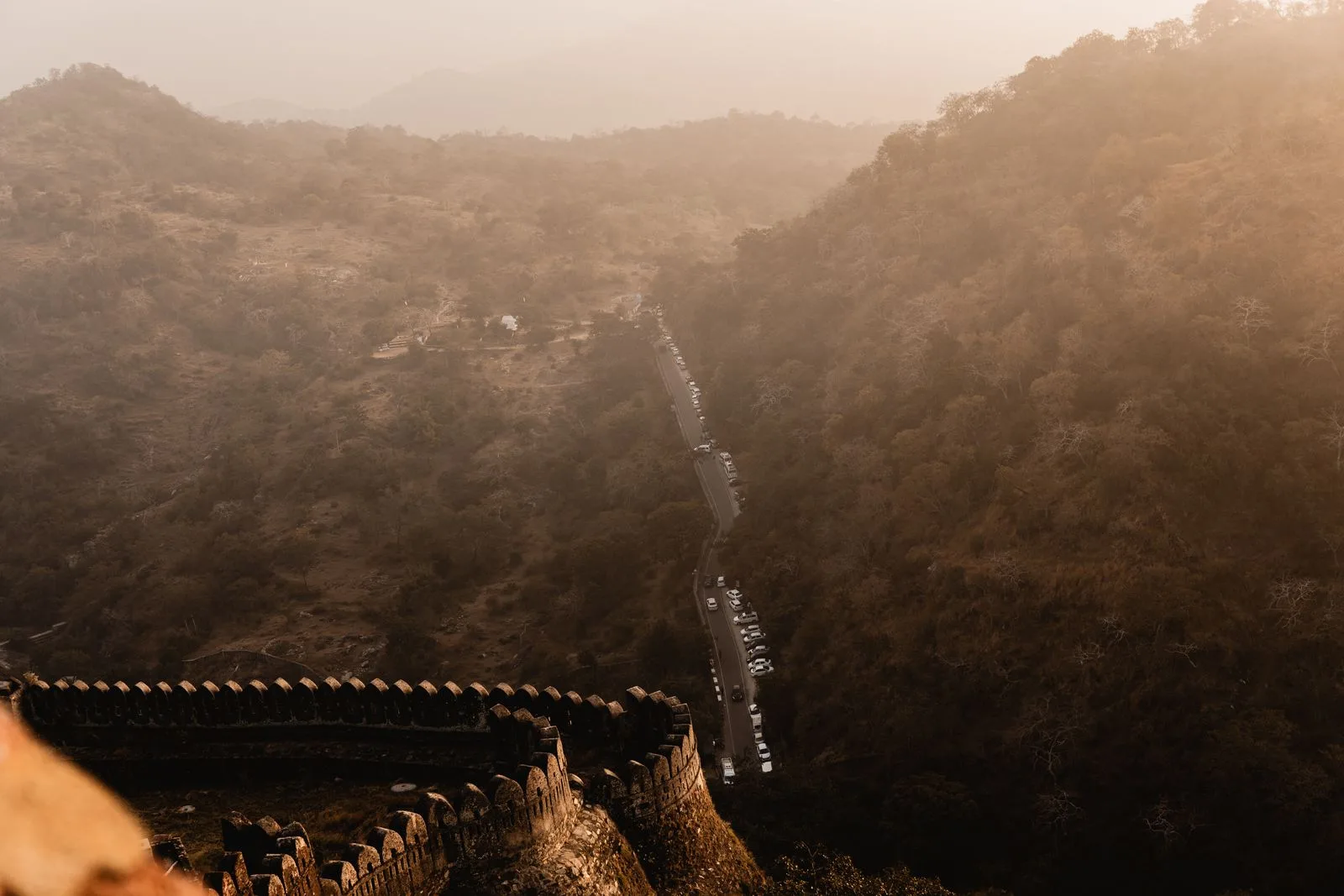
About 85 km north of Udaipur, a wall runs some 36 kilometres along the Aravalli ridge, rising and falling with the land like something poured over it. Kumbhalgarh was Rana Kumbha's 15th-century stronghold, the birthplace of Maharana Pratap, and the second most important fort in Mewar after Chittorgarh.
Prefer it done for you?
Let a local team plan it
Tell us your dates and group — we’ll send a day-wise itinerary and an honest, all-inclusive quote on WhatsApp.
- ✓Replies in ~10 minutes
- ✓Private, fully customisable
- ✓No advance to enquire
The wall
Thirty-six kilometres
along a ridge
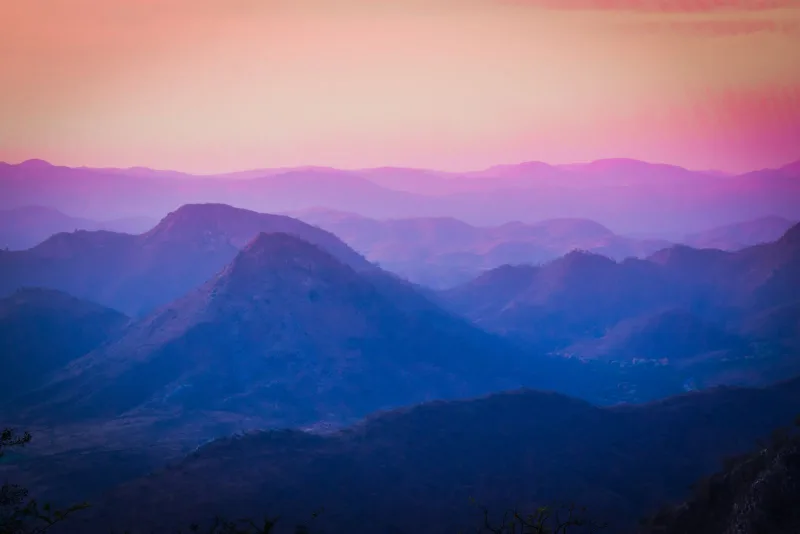
The perimeter wall is the reason people come, and it deserves the reputation. It runs roughly 36 km around the fort complex, broad enough in places for horses to ride abreast, and from the ramparts on a clear day you can see deep into the Thar in one direction and across the Aravallis in the other.
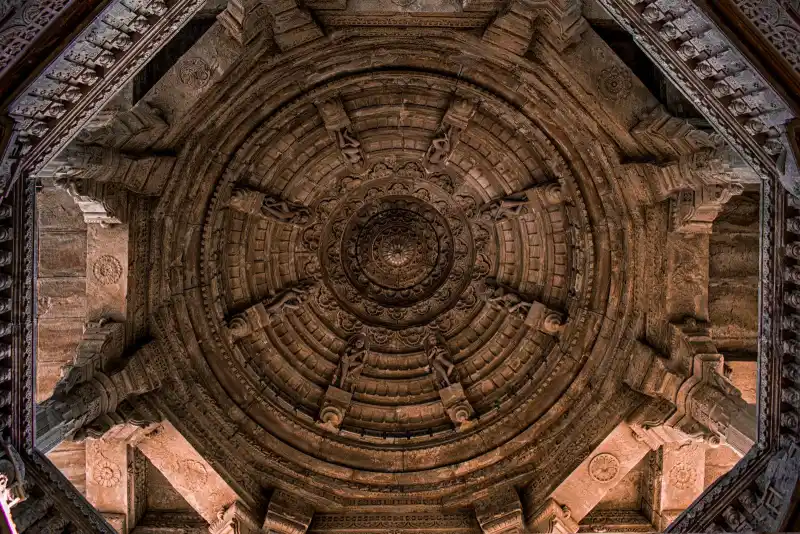
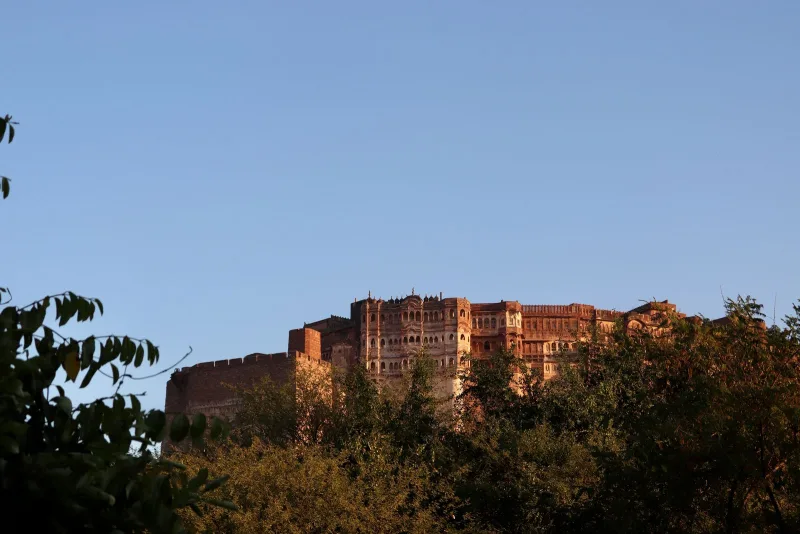
Inside are more than three hundred temples and the Badal Mahal — the palace of clouds — at the top. Rana Kumbha raised the fort in the 15th century; Maharana Pratap was born here. The fort held out against sieges that took Chittorgarh, and it fell only once, to a combined army that cut off its water.
Straight talk
About that
“second longest wall” claim
You will be told, by guides, signboards and most of the internet, that Kumbhalgarh has the second-longest continuous wall in the world after the Great Wall of China. We have looked, and that ranking does not come from any authority — there is no official global register of wall lengths, and the claim traces back to tourism copy rather than a survey.
What is true is remarkable enough: the wall runs about 36 km, which makes it one of the longest continuous walls anywhere. We would rather tell you that plainly than repeat a superlative we cannot stand behind. It is the sort of thing we would want told to us.
Visiting
How to reach
and when to go
Kumbhalgarh is about 85 km from Udaipur, roughly two to two and a half hours by road, and around 50 km from Ranakpur. The two together make the finest day trip in Rajasthan — and the order matters, because Ranakpur only admits non-Jain visitors from around midday. Kumbhalgarh first, then the temple.
The fort opens in the morning. Give it two to three hours, and wear real shoes: the climb to Badal Mahal is a proper walk. There is an evening light-and-sound show; ask locally whether it is running before you plan an overnight around it.
Kumbhalgarh, Ranakpur, Udaipur's lakes and the Dilwara marbles at Mount Abu — five days, privately run, done in the right order.
See the 5-day Mewar package →Rangeelo Rajasthan
Worth seeing
with your own eyes

Prefer it arranged?
Kumbhalgarh and Ranakpur make one superb day from Udaipur. We run it privately, in the right order.
Good to Know
Questions,
answered
Talk to a local
Still have questions?
Our Rajasthan team replies on WhatsApp in about 10 minutes — honest answers, no pushy sales, and no advance to enquire.
- ✓Reply in ~10 min on WhatsApp
- ✓Local drivers and guides
- ✓No advance to enquire
Keep Exploring
Plan the rest of your trip
Get an instant quote
Plan your
Mewar trip
Tell us your dates and group — our Rajasthan team will WhatsApp a personalised day-wise plan, the right hotels or desert camp, and a clear all-inclusive quote, usually within minutes.
- ✓Replies in ~10 minutes on WhatsApp
- ✓Private, fully customisable itinerary
- ✓No advance to enquire
Plan with locals
Plan your Rajasthan trip
with people who live here.
WhatsApp our Rajasthan team — real answers, usually within minutes. No advance, no spam.